
Blog
How Canadians Can Navigate Casino Game Categories Online

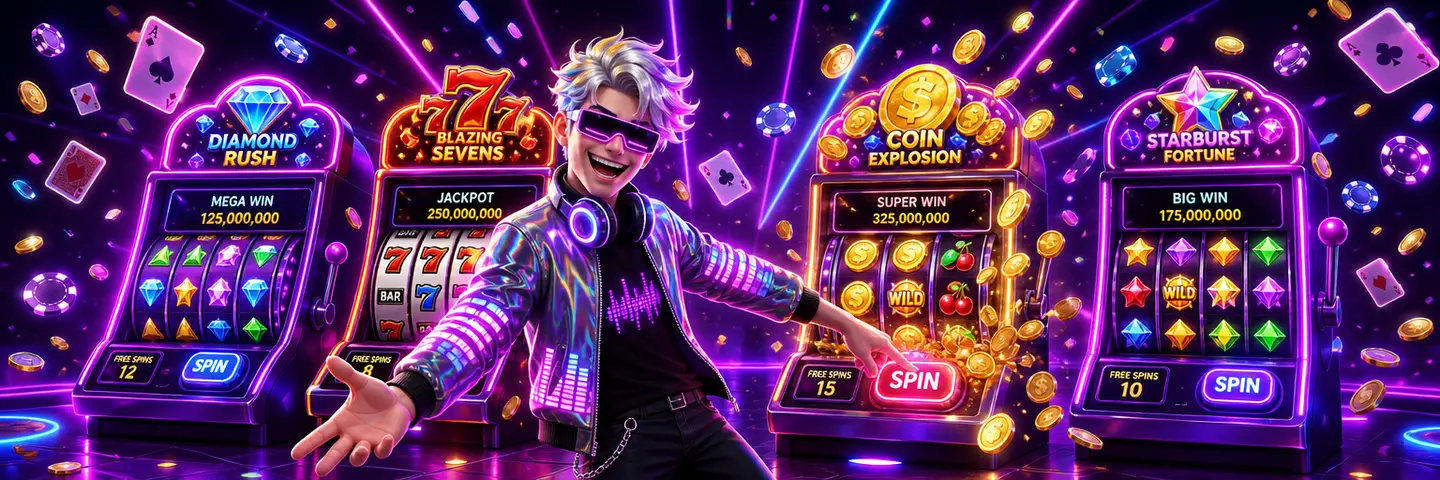
Choosing an online casino game is easier when the lobby helps you narrow the field instead of presenting thousands of titles at once. The slotrave casino canada information available to Canadian readers points to a broad browser-based selection, with filters for providers, categories and popular releases. That makes the central question less about chasing a particular title and more about understanding which game format suits your preferred pace, style and level of complexity.
Start with the game format, not the title
Slots are usually the simplest place to begin because they do not require decisions between hands or competitors. Within that category, however, the experience can vary considerably. Traditional fruit-style machines tend to use straightforward paylines and familiar symbols, while modern video slots may add bonus rounds, expanding symbols, cascading wins or multiple ways to form combinations. A title with a large feature set may be entertaining, but it can also take longer to understand.
Fast Games and instant titles generally focus on short rounds and simple actions. Crash-style games, for example, ask players to decide whether to leave a round before a multiplier ends, while other instant games may use quick picks or compact bonus mechanics. Their pace can be appealing during a short session, but quick rounds also make it easy to make repeated decisions without pausing to review spending or time.
Live dealer games offer a different atmosphere. Roulette, blackjack, baccarat, poker and game-show formats use streamed presenters or tables rather than standard animated reels. They may suit people who prefer a social or structured presentation, although they require more attention than ordinary slots. A practical first step is to choose between relaxed, feature-led slots; rapid instant games; or table-based play before comparing individual titles.
Use categories to narrow a large lobby
A broad lobby becomes more manageable when categories are treated as search tools rather than recommendations. Common groupings include New, Popular, Slots, Fast Games, Jackpot, Megaways, Hold & Win, Bonus Buy, Drops & Wins, Hot and Cold, live dealer and speciality games. Each label describes a style or discovery route, but it does not guarantee that every listed title will match your preferences or be available in every province.
Provider filters can be useful when you already recognize a studio’s visual style or mechanics. Searching by supplier may reduce the number of unfamiliar results and help you compare similar releases. A title appearing in a popular category should still be assessed independently: popularity does not establish its volatility, return-to-player figure, feature frequency or suitability for a particular budget.
Search tools are most useful when combined with a short personal brief. Someone wanting shorter sessions might begin with Fast Games, while a player interested in feature rounds could examine Hold & Win, Megaways or Bonus Buy. Someone who prefers a slower, more social experience might move directly to live blackjack or roulette. Categories organize discovery; they do not replace reading the title’s information panel and applicable terms.
What should you check before trying a new game?
Begin with the basic rules and pay information shown for the specific title. Look for the number of reels or positions, the way winning combinations are formed, the maximum and minimum stake displayed, and whether special features can change the result pattern. If the rules use unfamiliar terms, take a moment to understand them before committing funds. A short demonstration can explain controls, but it cannot prove what your long-term results will be.
Volatility is another useful distinction. Lower-volatility games may produce smaller outcomes more frequently, while higher-volatility games may produce less frequent but more variable results. These are general characteristics, not promises. The advertised return-to-player figure is also a theoretical long-run statistic rather than a forecast for one session. Treat both details as comparison information, not as a reason to increase a stake.

Check whether a title has special purchase options, progressive jackpots, bonus rounds or restrictions linked to promotional funds. Features can alter the pace and cost of play. If a promotion is active, its terms may define which games count, how contributions are calculated and what maximum bet applies. The relevant game rules and promotion wording should be read together before selecting a title.
Match the game to the kind of session you want
A useful way to compare options is to define the session before opening the lobby. For a brief, low-complexity session, a familiar slot or instant title may be easier to monitor. For a more deliberate session, a table game can provide clearer choices per round, although understanding the rules remains essential. Live dealer games may take more time because rounds follow the table’s pace rather than your own.
Players who enjoy variety can rotate between categories, but switching formats should not become a reason to abandon a preset limit. Moving from slots to live games or the sportsbook changes the type of decision being made, not the underlying financial risk. Since casino and sportsbook activity may use the same account and cashier, keeping those activities mentally separate can make it easier to track what has been spent.
Mobile access can also affect game choice. A responsive browser lobby supports casino, live dealer and other account tools on iOS and Android devices, while an installable home-screen shortcut may simply provide quicker access to the website rather than a confirmed native application. Smaller screens favour games with clear controls and uncluttered layouts. Test navigation without assuming that every desktop feature or title will appear identically on mobile.
Keep discovery separate from chasing outcomes
Game discovery should be about fit and information, not about trying to recover an earlier result. A losing round does not make a title due to win, and a recent win does not make another round safer. Changing categories after a loss can create the impression of a strategy while simply extending the session. Decide in advance how long you will browse, which games you may try and how much you are prepared to spend.
It can help to record the practical details that matter to you: game name, category, minimum stake, rules read, session duration and amount spent. This keeps comparisons grounded in observable features rather than excitement. Avoid treating a short trial as evidence that a game has favourable personal odds. Results over a few rounds are too limited to establish a reliable pattern.
For broader Canadian information about safer gambling choices and support, consult Canada’s responsible gambling information. The platform’s own support tools may also be relevant if you need a cooling-off period, self-exclusion or a limit arranged through support. The most useful lobby is ultimately one that helps you make a measured choice and leave it when your planned session ends.
Questions readers often ask
Are all listed games available across Canada?
No. Game availability can vary by province, account configuration, provider restrictions and local access conditions. A title shown in a category or review may not appear in your lobby. Check the current account view and the game’s information panel rather than assuming that a listed release is universally available.
Does a popular category mean a game is better?
Not necessarily. Popular, New, Hot and similar labels are discovery tools, not independent assessments of quality, value or suitability. Compare the rules, volatility information, displayed stake range and features for the individual title. Personal preference and session limits matter more than a category label.
Can a short trial show whether a game is profitable?
No. A short trial can show how the controls, pace and features work, but it cannot establish long-term results. Random outcomes may produce a win or loss in any brief sample. Use the trial to judge usability and enjoyment, not to predict income or justify larger stakes.